
As the world moves towards a greener future, electric vehicles (EVs) have gained increasing popularity as a sustainable mode of transportation. In the UK, the government has been promoting the adoption of EVs by offering incentives and expanding the charging infrastructure network. However, with different types of charging options available, it can be confusing for EV owners or potential buyers to understand which one is the best for their needs. In this blog post, we will delve into the three main types of EV charging in the UK and explore their advantages and disadvantages from an SEO-friendly perspective.
- Slow Charging: Convenient and Affordable Slow charging, also known as Level 1 charging, is the most basic form of EV charging, and it typically involves using a standard 3-pin plug socket. While it is the slowest charging option, it is also the most common and widely available, as it can be done using a regular household socket. This makes it convenient for EV owners who do not have access to dedicated charging points or are on the go and need to charge their vehicle at a public location.
Slow charging offers several advantages. Firstly, it is affordable, as there are no additional installation costs for a dedicated charging point. EV owners can simply use their existing household socket, making it cost-effective and accessible for a wide range of users. Secondly, slow charging is safe, as it uses a standard 3-pin plug and is compatible with most EVs. However, the slow charging speed may not be ideal for long trips or for users who require frequent charging due to extensive usage or long commutes.
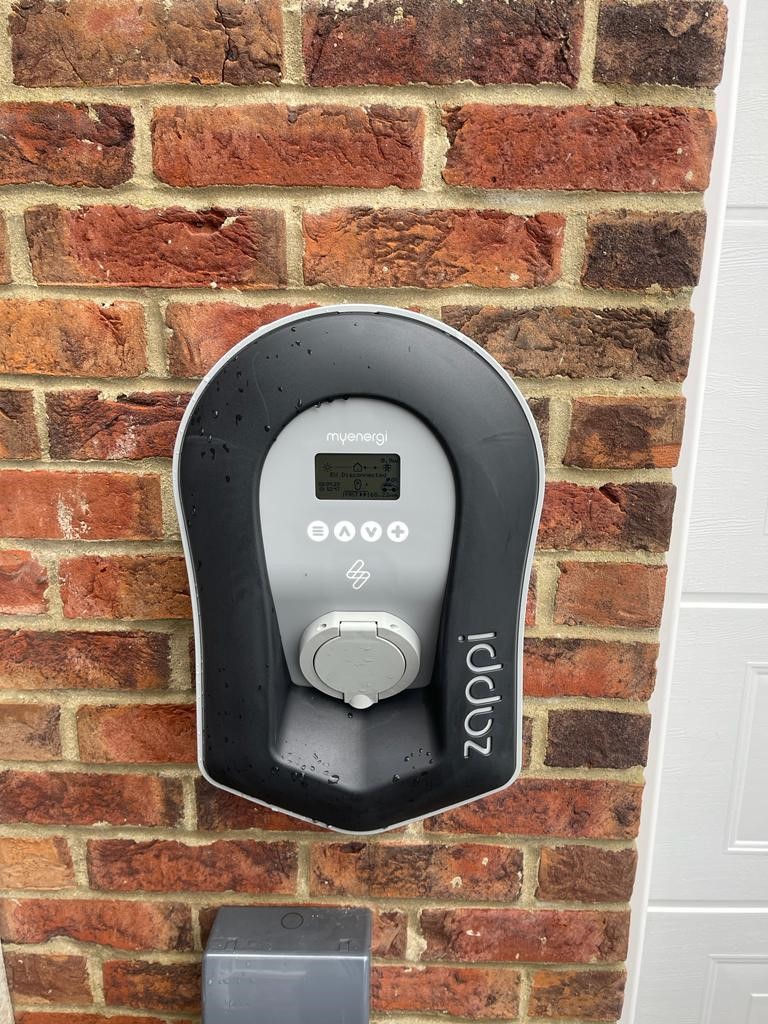
- Fast Charging: Quick and Convenient Fast charging, also known as Level 2 charging, provides a faster charging option compared to slow charging, making it more suitable for EV owners who need quicker charging times. Fast charging requires a dedicated charging point, which can be installed at home, at the workplace, or at public charging stations. These charging points use a higher voltage (typically 240V) and can charge an EV much faster than a standard household socket.
The advantages of fast charging are primarily its convenience and efficiency. With faster charging times, EV owners can get back on the road sooner, making it suitable for longer trips or for those who require frequent charging. Fast charging points are also becoming more common and accessible, with a growing network of public charging stations across the UK. This makes it easier for EV owners to find a charging point when needed, enhancing the overall user experience. However, fast charging may be more expensive to install compared to slow charging, and not all EVs are compatible with fast chargers, which could limit its usability for certain vehicle models.
- Rapid Charging: Quick and Convenient for Long-Distance Travel Rapid charging, also known as Level 3 charging, is the fastest and most powerful form of EV charging, offering the quickest charging times. Rapid chargers use high-powered chargers, typically with a DC (Direct Current) supply, and are commonly found at motorway service stations or other strategic locations. Rapid charging is specifically designed for long-distance travel or for EV owners who require ultra-fast charging times.
Rapid charging is ideal for long-distance travellers or for those who need to charge their EV quickly due to time constraints. Rapid chargers can provide up to 80% charge in as little as 30 minutes, making it highly convenient for drivers who are on the go and do not have the luxury of waiting for hours for their EV to charge. Rapid chargers are also strategically located along motorways, making them easily accessible for long-distance travellers.

However, rapid chargers are more expensive to install compared to fast or slow chargers, and they may not be as widely available as other types of chargers, which could limit their accessibility for certain users, especially in remote or rural areas.
In conclusion, understanding the three main types of EV charging options in the UK is crucial for EV owners or potential buyers to make informed decisions about which option suits their needs best. Slow charging offers affordability and convenience for regular daily use, while fast charging provides quicker charging times and is suitable for longer trips or frequent charging needs. Rapid charging offers ultra-fast charging for long-distance travel but may be limited in availability and higher in cost.
As the UK continues to promote the adoption of EVs and expand its charging infrastructure network, staying updated with the latest developments and understanding the different types of EV charging options available will be essential for EV owners and potential buyers. Making informed decisions about EV charging can contribute to a greener future, reduce carbon emissions, and promote sustainable transportation practices.
For more information on our EV Charger Installation services in Southampton, Romsey, Eastleigh, Chandlers Ford, Hythe and Hampshire, please get in touch with M-Tech Electrical Services South Ltd.

